Alaric counts the ransom. Gold, silver, silk — and three thousand pounds of pepper.
It is 408 AD, and Rome is besieged. The Visigoth king has surrounded the city with forty thousand warriors. The Romans, who once ruled the world, are now negotiating for survival. Among their payments: enough pepper to fill a warehouse.
Why pepper?
Because pepper does not rot. Because pepper is valuable by weight. Because pepper, in the collapsing Roman economy, is more reliable than gold.
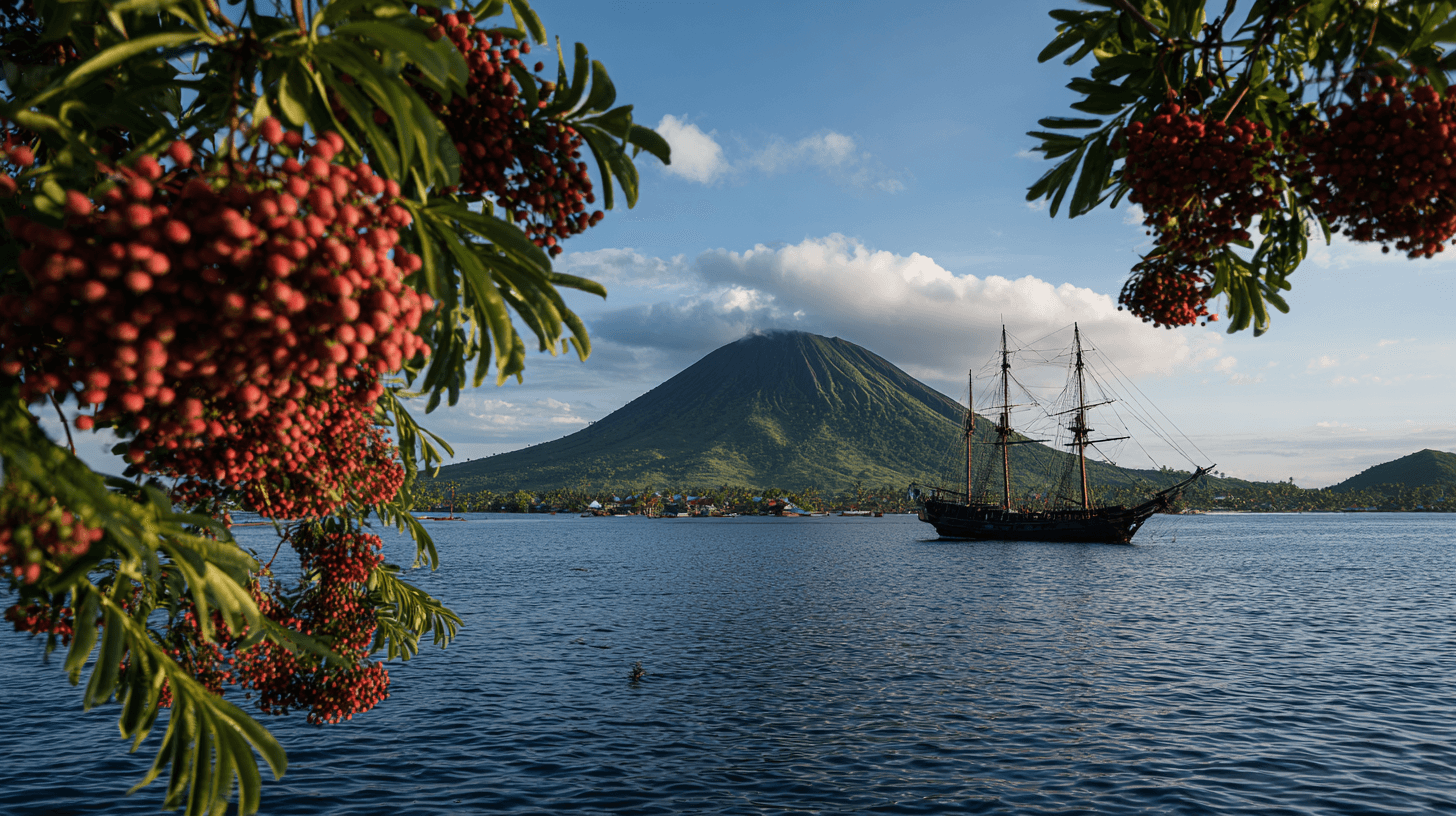
The spice has traveled five thousand miles to reach this moment — from the Malabar coast of India, across the Arabian Sea, through the Red Sea, overland to Alexandria, across the Mediterranean to Rome. At every stage, middlemen took their cut. By the time it reached Roman kitchens, pepper cost more than most Romans earned in a month.
The rich sprinkled it on everything. The poor dreamed of it. When the legions marched, they carried pepper in their kit. When emperors died, their estates were valued in peppercorns. The word for tax collector in some Roman provinces was "piperarii" — pepper men.
The Visigoths knew what they were asking for. Pepper was currency, compact and imperishable. It would still be valuable long after Rome was a memory.
The trade network that delivered pepper to Alaric was already ancient. Sumerian tablets mention pepper from India. Egyptian mummies were embalmed with peppercorns. The spice moved along routes that predated Alexander, predated the Pharaohs, predated every empire that tried to control it.
After Rome fell, the pepper trade continued. Arab merchants controlled the routes. Venice grew rich as the European terminus. The search for a sea route to the pepper ports drove Portuguese explorers around Africa and Spanish sailors across the Atlantic.
Columbus was looking for pepper when he found the Americas. He didn't find it — American "peppers" are chilies, a different plant entirely. The real pepper was in India all along, guarded by geography and middlemen.
Today, pepper is ordinary. A pound costs a few dollars. We grind it carelessly over eggs. The spice that ransomed Rome is now sold at gas stations.
But the route it traveled, the empires it built and destroyed, the ransoms it paid — these things remain. Somewhere in the soil outside Rome, there may still be peppercorns from Alaric's payment, preserved by the same chemistry that made them valuable in the first place.
The spice does not rot. The history accumulates.
The Facts
- Visigoth siege of Rome: 408 AD
- Ransom: 3,000 lbs pepper + gold, silver, silk
- Route: Malabar → Arabia → Alexandria → Rome
- Roman pepper price: month's wages per pound
- 'Piperarii': pepper-tax collectors
- Pepper death-proof — used for currency
- Columbus sought pepper, found chilies
Sources
- Zosimus, Historia Nova (5th century)
- Dalby, A. (2000). Dangerous Tastes
- Turner, J. (2004). Spice: The History of a Temptation