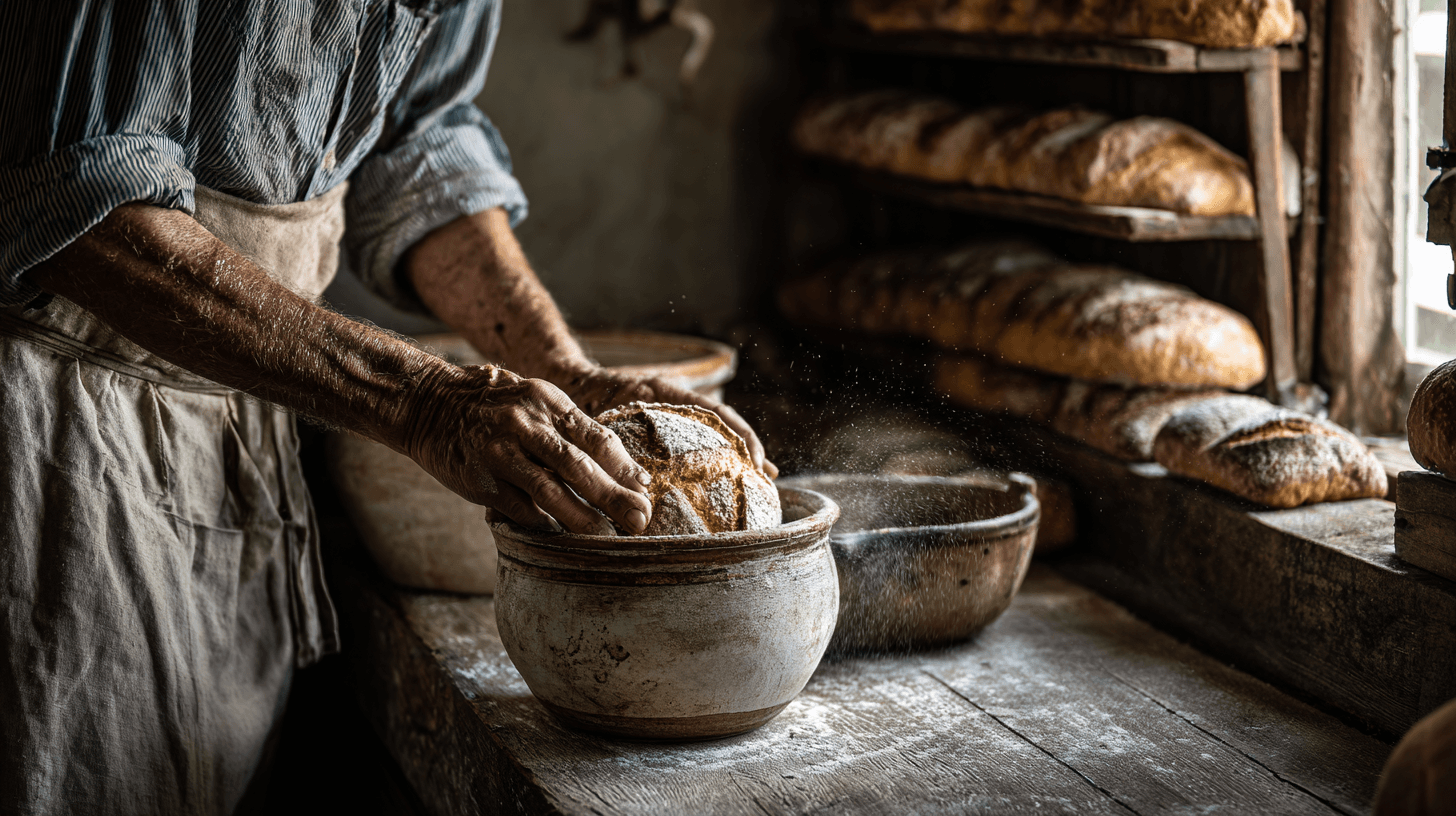
The Dutch sailor holds the nutmeg to his nose. It smells like money.
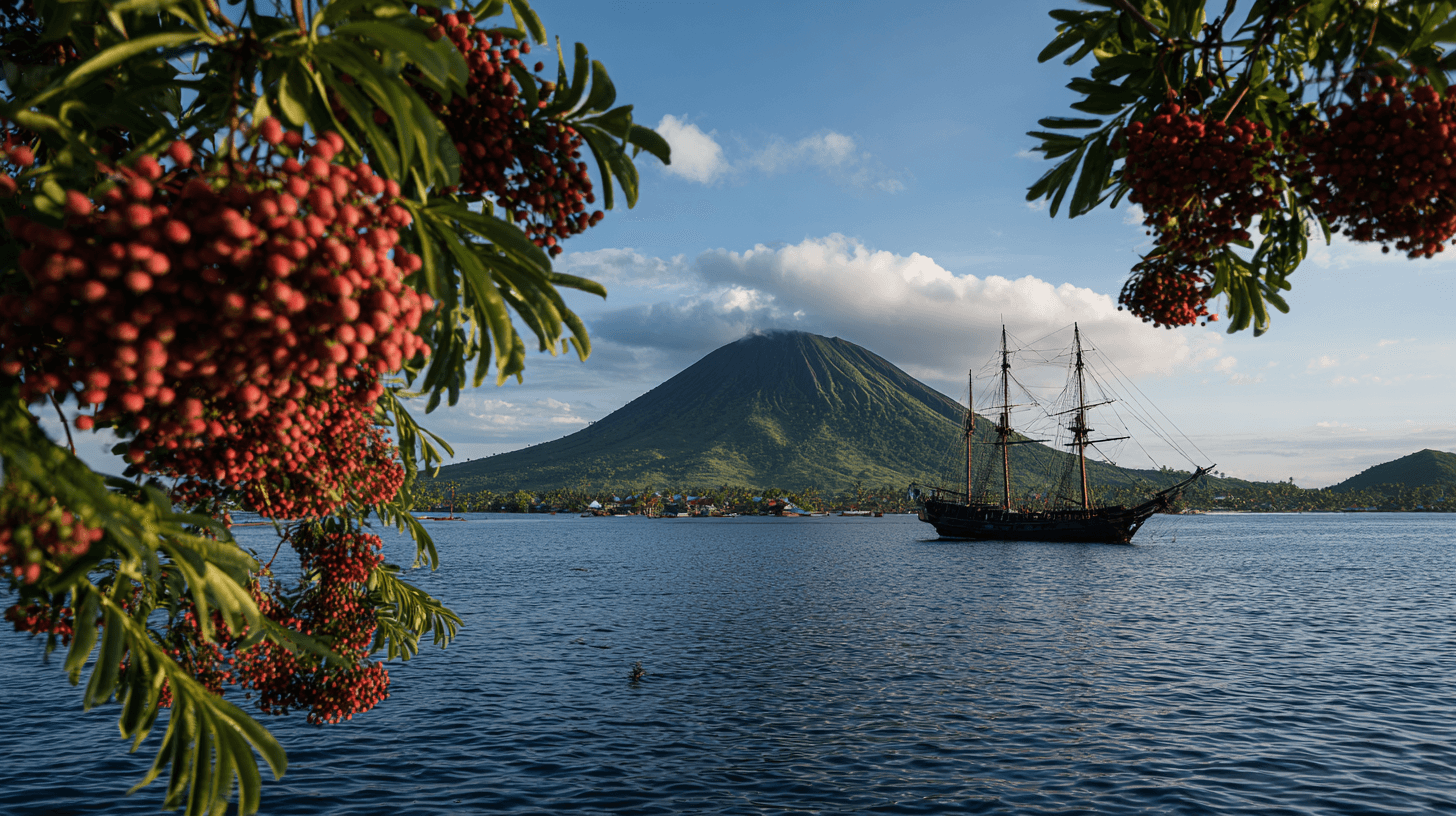
Run Island is two miles long and half a mile wide — a volcanic speck in the Banda Sea, ten thousand miles from Amsterdam. It is also, in 1616, one of the most valuable pieces of real estate on Earth. The trees that grow here produce nutmeg, and nutmeg is selling in Europe for more than its weight in gold.
The English have a fort on Run. The Dutch want them gone.
What followed was fifty years of war, massacre, and negotiation over a handful of islands smaller than most European estates. The Banda Islands — ten islands total, with perhaps 15,000 inhabitants — were the only place on Earth where nutmeg grew. Control the islands, control the supply, control the price.
The Dutch were not subtle. In 1621, Governor-General Jan Pieterszoon Coen landed on Banda Neira with a force of soldiers and Japanese mercenaries. Within months, the indigenous Bandanese population was reduced from 15,000 to roughly 1,000. The rest were killed, enslaved, or fled. Coen called it "pacification."
The survivors were put to work on nutmeg plantations under Dutch supervision. A strict quota system controlled production. Trees that grew outside Dutch control were destroyed. Anyone caught smuggling nutmeg seeds faced execution.
Run Island, still held by the English, remained a problem. For decades, the two nations skirmished. By 1667, both sides were exhausted. A treaty was proposed: the English would surrender Run; the Dutch would surrender New Amsterdam, their struggling colony on the Hudson River.
The Dutch agreed immediately. Nutmeg was worth hundreds of times more than beaver pelts.
New Amsterdam became New York. Run Island became fully Dutch. For a generation, the trade seemed vindicated — nutmeg prices stayed high, profits flowed to Amsterdam, the monopoly held.
Then a Frenchman named Pierre Poivre stole some seedlings.
By 1770, nutmeg was growing in Mauritius. By 1800, it was in Grenada, Zanzibar, Sri Lanka. The monopoly was broken. Nutmeg prices collapsed. The Banda Islands, scene of genocide, became an economic backwater.
Run Island today has perhaps 2,000 residents. They grow nutmeg still — the trees don't know about price crashes — but the spice sells for a few dollars a kilogram. The island is not on any tourist route. The massacre is not well marked.
New York has 8 million people. The trade that seemed so clever in 1667 looks different now.
The Dutch sailor who held the nutmeg to his nose and smelled money — he wasn't wrong. He just couldn't see how money moves, how monopolies fail, how the most valuable thing on Earth today can become ordinary tomorrow.
The nutmeg still grows. The blood is in the soil. The trade is done.
The Facts
- Banda Islands: only source of nutmeg until 18th c
- 1621 massacre: 15,000 reduced to ~1,000
- Treaty of Breda 1667: Run for Manhattan
- Nutmeg price 1600s: more than gold by weight
- Pierre Poivre: smuggled seedlings 1770
- Today: nutmeg ~$5/kg wholesale
- Run Island population: ~2,000
Sources
- Giles Milton (1999). Nathaniel's Nutmeg
- Treaty of Breda (1667)
- Hanna, W.A. (1978). Indonesian Banda