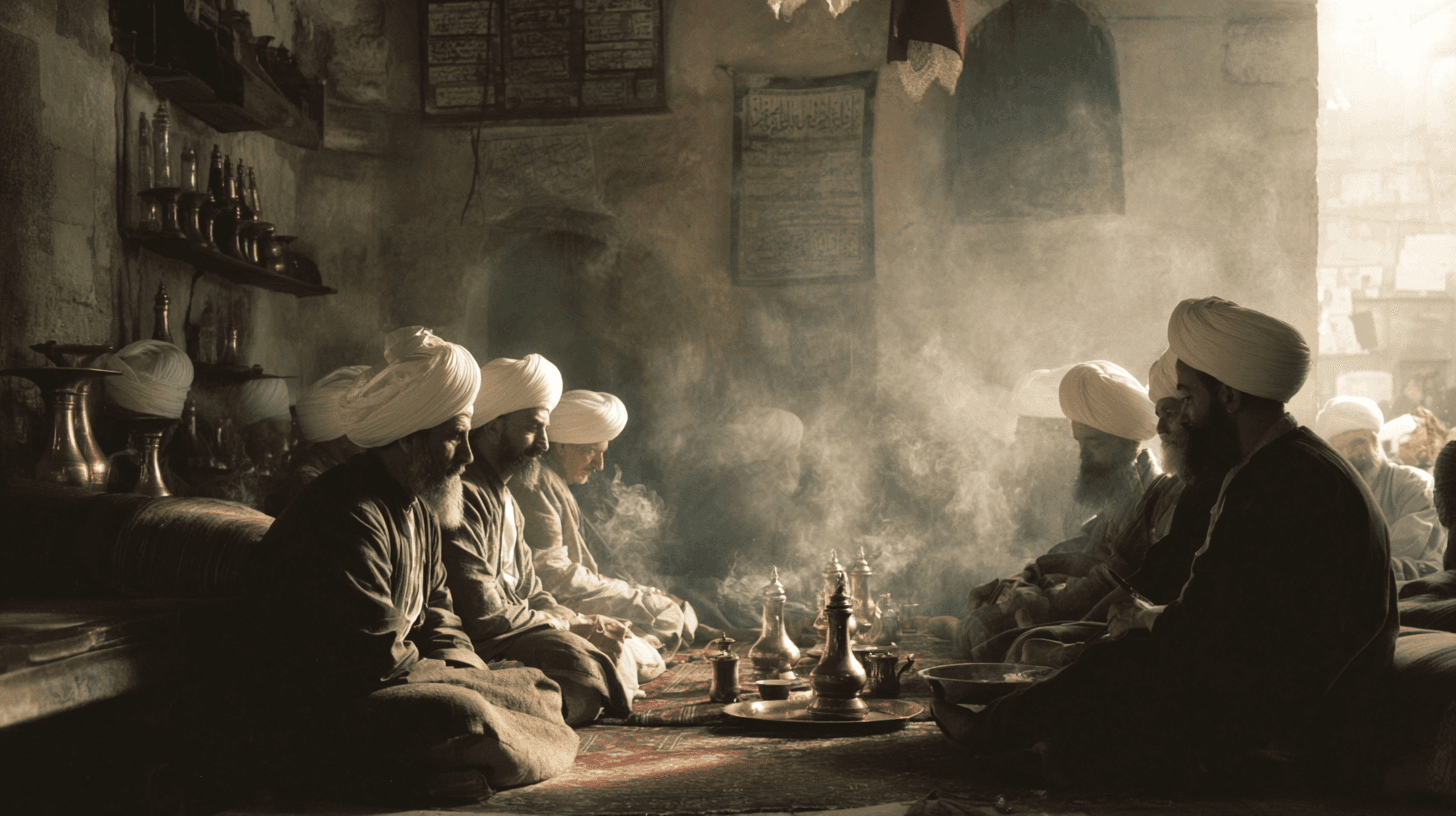
Istanbul, Ottoman Empire — The sultan dressed as a commoner, walked into a coffeehouse, and cut off the head of the man next to him. Then the next. Murad IV did this regularly. Thirty thousand dead, some say.
Coffee was illegal. Drinking it was a capital offense. The coffeehouses kept opening anyway.
The Argument
The muftis couldn't agree. Coffee wasn't fermented like wine. But it changed your state. It wasn't intoxicating. But you craved it. The word qahwa originally meant wine — was that a sign?
In Cairo, halal. In Mecca, haram for a year, then overruled. In Istanbul, it depended on which sultan was in power and what mood he was in.
The Sufis had the best argument: coffee helped them pray longer. It wasn't escape. It was concentration. That reasoning eventually won.
The Monopoly
Yemen controlled the trade. No live plants could leave. Beans were boiled or roasted before export — sterile. For a century, they held the line.
Then a Dutch trader bribed someone. One plant. That's all it took. The Dutch grew it in Java. The French stole a cutting for the Caribbean. The Portuguese took it to Brazil.
A single plant smuggled to Martinique in 1723 is the ancestor of 90% of the world's coffee.
The Burning
By 1929, Brazil grew 80% of global supply. Prices collapsed. They burned 78 million bags. Dumped it in the ocean. Used it to fuel trains. Destroying it was cheaper than shipping it.
Now
Second most traded commodity after oil. 2.25 billion cups a day. The sultans are gone. The fatwas are settled. The coffeehouses are still where trouble starts.
The Facts
- Ethiopia is the birthplace of coffee — legend credits a goat herder named Kaldi
- The buna ceremony involves roasting, grinding, and brewing three separate times
- Each cup has a name: abol (first), tona (second), baraka (third/blessing)
- The ceremony typically lasts 2-3 hours
- Coffee is served with popcorn, peanuts, or traditional snacks
- Burning frankincense often accompanies the ceremony
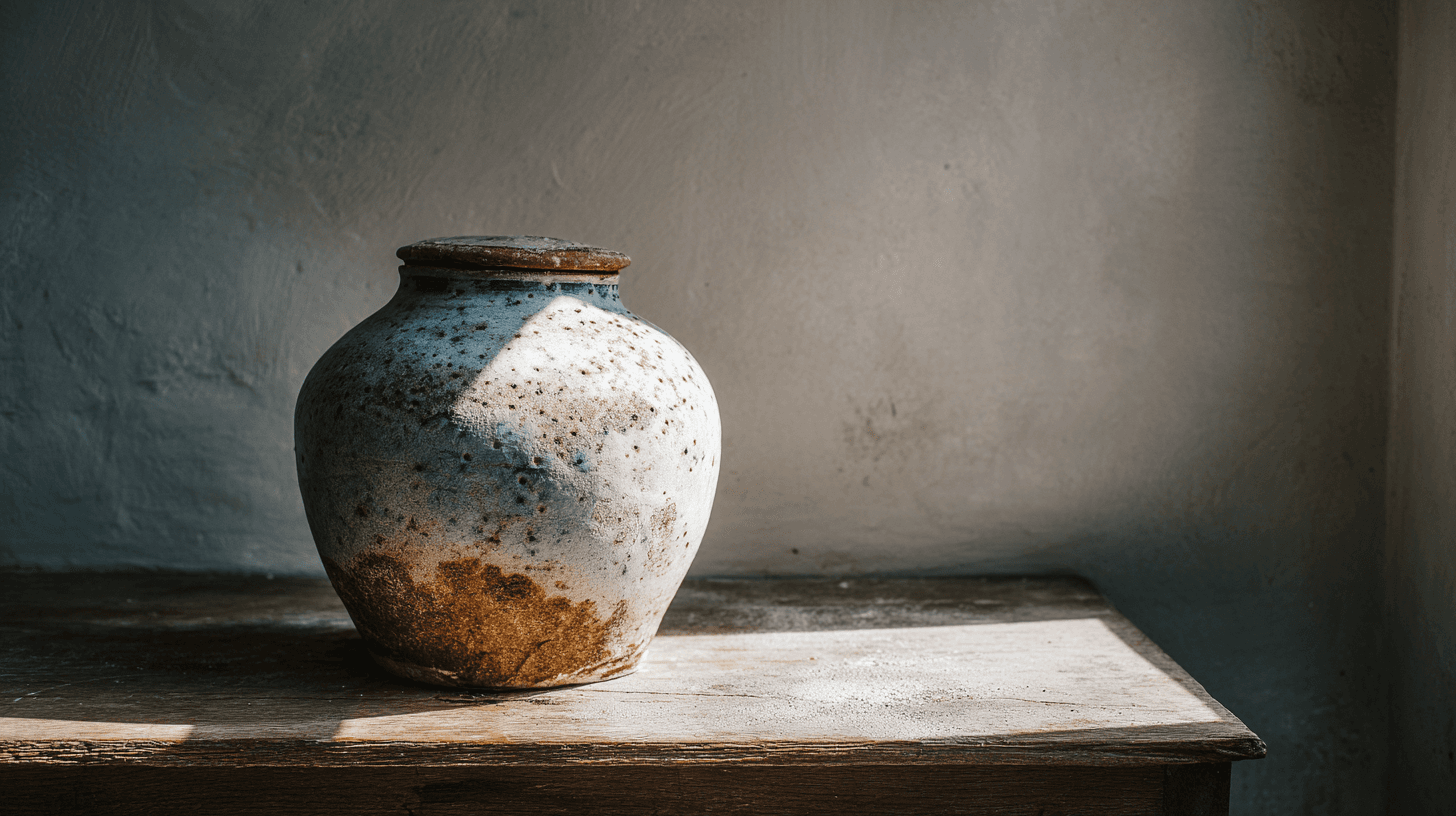
- The jebena (clay pot) is passed down through generations
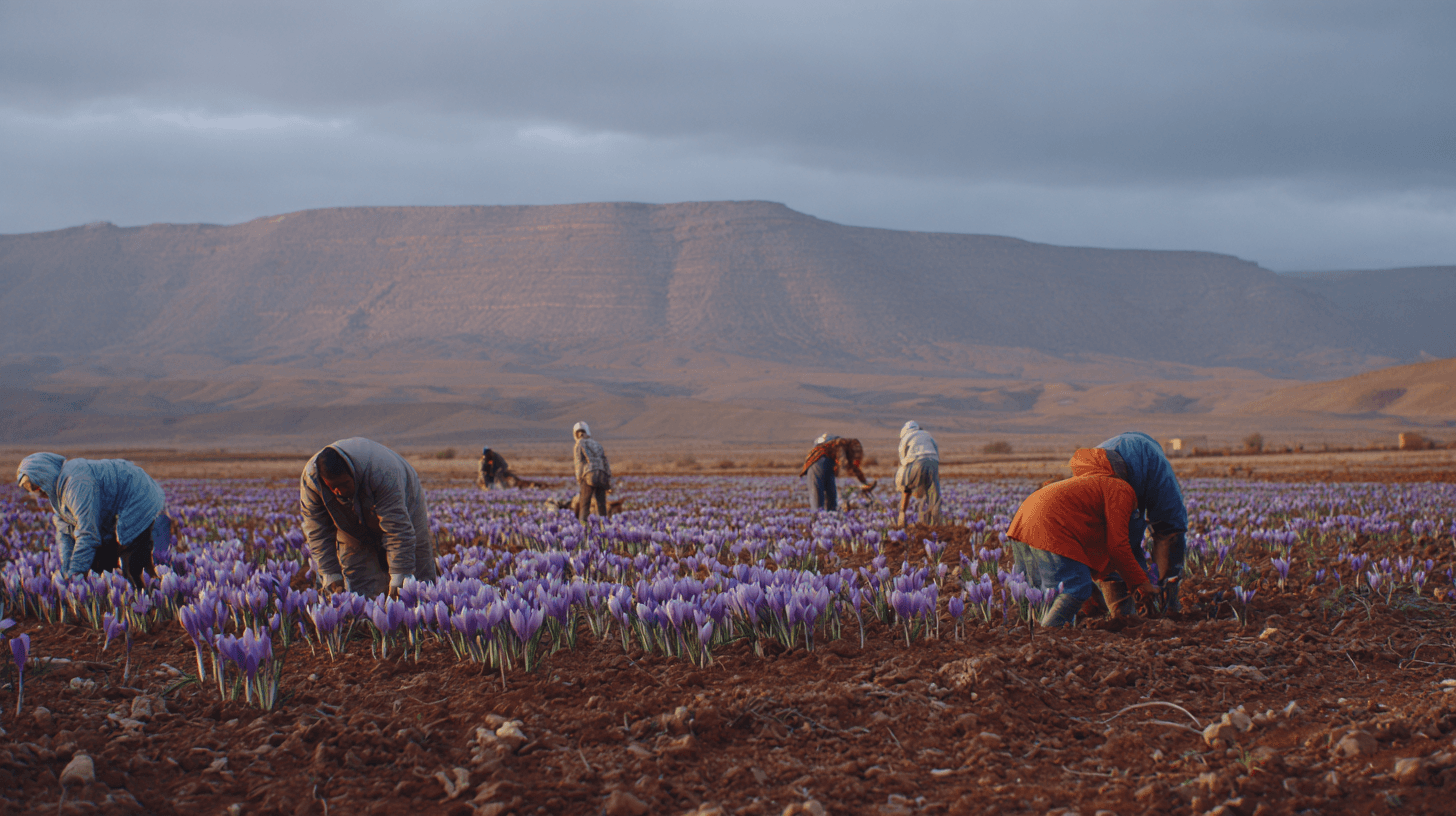
- An estimated 15 million Ethiopians depend on coffee for their livelihood
Sources
- Ethiopian Coffee Ceremony traditions
- Interviews with families in Addis Ababa
- "Where Coffee Was Born" cultural documentation