San Francisco, USA — There's a jar that's been hungry since 1849. A sourdough starter, fed daily for 175 years. Flour and water in, carbon dioxide out. The thing is alive.
It's alive right now, in the dark, digesting.
What's in the Jar
Wild yeast. Lactobacillus bacteria. Billions of organisms eating, reproducing, dying. When you bake, the heat kills most of them. The survivors — the bit you saved back — carry on.
The Boudin Bakery claims their starter survived the 1906 earthquake. A baker's wife grabbed the crock while the city burned. True? Maybe. The bacteria in their bread is Lactobacillus sanfranciscensis — named for the city where it was first identified.
The Ship Problem
A starter that's been fed for 175 years — is it the same starter? The yeast population shifts. The bacteria evolve. The flour changes, the water changes, the temperature changes. Every variable matters.
Ship of Theseus, but it eats.
The Korean Calendar
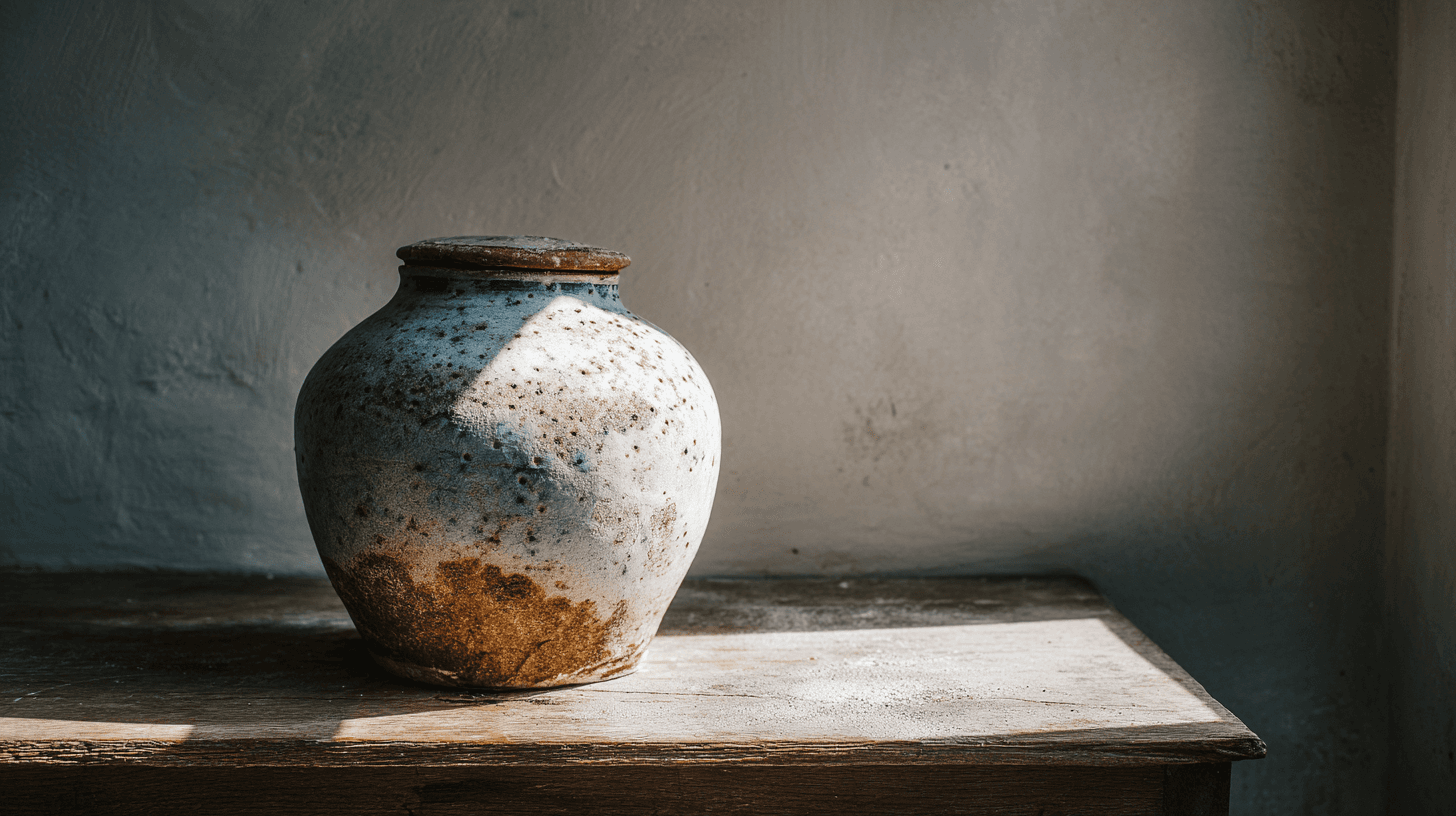
In Korea, kimjang is the autumn event where families make the year's kimchi. Hundreds of cabbages, salted and spiced, packed into clay pots, buried to ferment through winter.
The jang — the fermented paste — often comes from last year. Or the year before. Some families claim jang going back generations. The paste carries the bacteria of every year's batch, every year's hands.
UNESCO listed kimjang as intangible heritage. Not the food — the practice.
What Lives
The Egyptians made sourdough 4,000 years ago. They didn't know what yeast was. They knew the dough needed feeding. They knew it could die.
That's the whole science, really. Keep it alive. Everything else is detail.
The Facts
- Kimjang (communal kimchi-making) is UNESCO Intangible Cultural Heritage
- Korean households make an average of 100-200 heads of kimchi per year
- Fermentation preserves vitamins and creates beneficial probiotics
- The tradition dates back at least 2,000 years
- Similar fermentation traditions exist worldwide: sauerkraut, miso, yogurt
- "Mother culture" refers to the starter used to begin fermentation
- Kimchi recipes vary by region, family, and season
- The practice teaches preservation skills and strengthens family bonds
Sources
- UNESCO Intangible Cultural Heritage documentation
- "The Art of Fermentation" by Sandor Katz
- Korean kimjang tradition interviews